

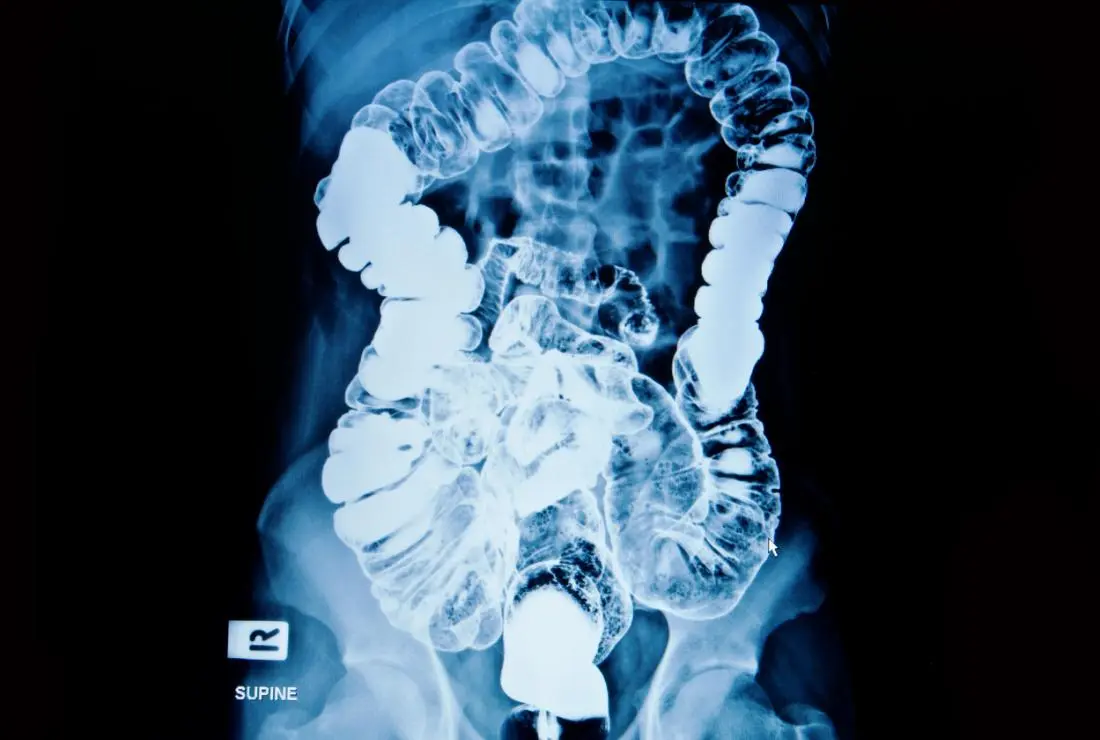
A Barium Study is a specialized imaging procedure used to examine the structure and function of the digestive tract, helping diagnose conditions affecting the esophagus, stomach, small intestine, and large bowel. During this test, the patient swallows or is given a barium-based contrast material, which coats the lining of the gastrointestinal tract and enhances visibility on X-ray images. This allows radiologists to clearly evaluate abnormalities such as ulcers, strictures, reflux, tumors, inflammation, or motility disorders. Barium studies are safe, minimally invasive, and provide highly detailed insights into digestive health. Depending on the area being examined, different types of studies may be performed, including barium swallow, barium meal, small bowel follow-through, or barium enema. The procedure is generally simple and well-tolerated, with instructions provided beforehand for fasting or preparation. A Barium Study remains an important diagnostic tool for accurate assessment and effective treatment planning of gastrointestinal conditions.